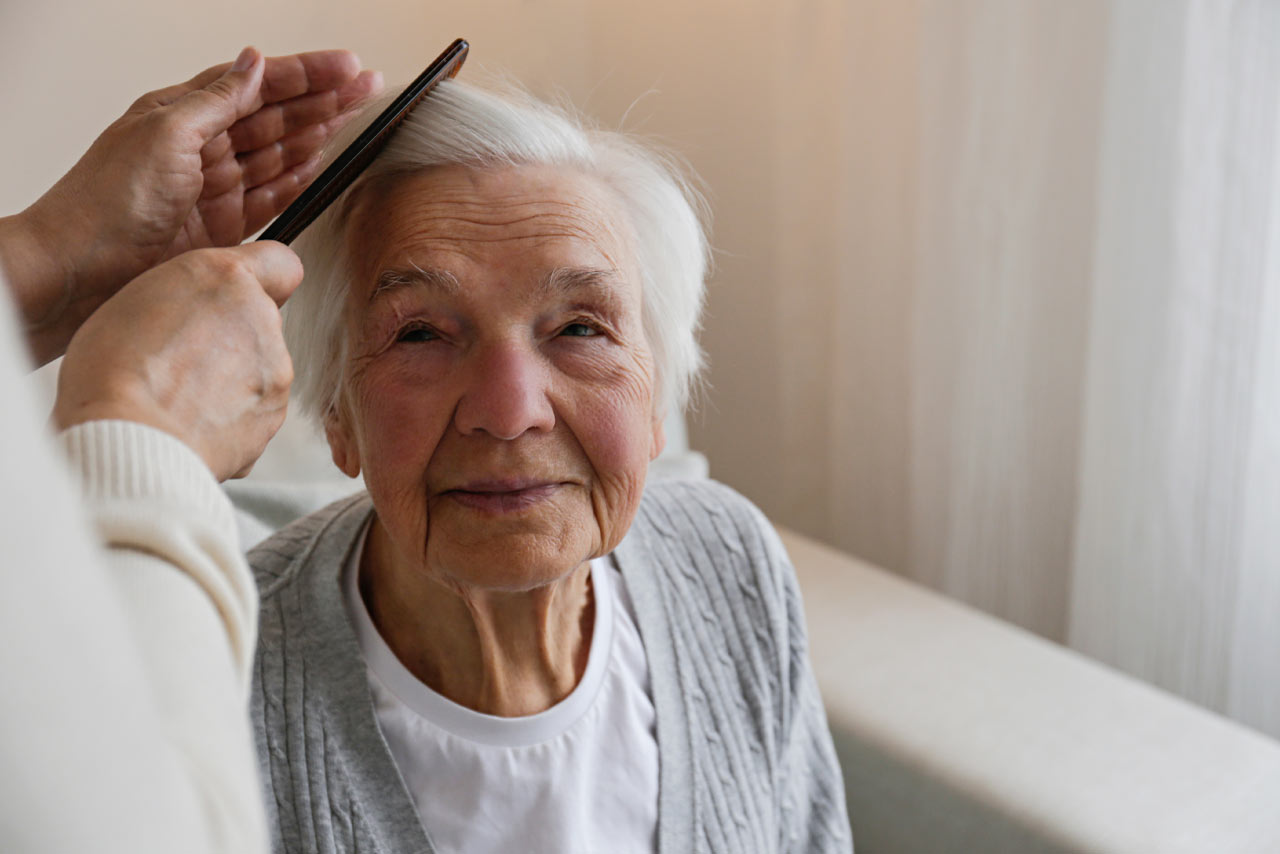
There is a particular kind of tension that settles over a family in the days before home care begins. The decision has been made, the agency has been chosen, the paperwork is in motion — and yet the practical reality of what daily life will look like once a stranger arrives at the front door remains largely abstract. For families navigating home care in New York for the first time, that uncertainty is entirely normal. The first week of home care involves more moving parts than most families anticipate, and the gap between expectation and experience can be significant.
This guide walks through what actually happens — day by day and step by step — so that New York families can approach the transition with a clearer picture of what is coming and a better sense of what to do when it arrives.
Day one in New York home care: the CHHA nursing assessment
For families whose home care is beginning after a hospitalization or rehabilitation stay, the first event is not the arrival of the home health aide. It is a nursing assessment conducted by a Certified Home Health Agency (CHHA), typically scheduled for the day after the patient returns home. This visit is arranged by the discharging hospital or facility, and its purpose is to evaluate the patient in their actual home environment — not the controlled setting of a ward or rehab unit.
The assessing nurse will review the discharge paperwork and medication list, observe the patient’s living space for safety and accessibility, and determine what skilled services are needed and for how long. Occupational therapy, physical therapy, speech therapy, and clinical social work may all be ordered at this stage, depending on the patient’s condition. The nurse will also assess the need for durable medical equipment (DME) — hospital beds, wheelchairs, commodes, or oxygen — and arrange delivery through the appropriate suppliers.
This assessment forms the foundation of the plan of care. Everything that follows — the aide’s hours, the therapists’ schedules, the coordination between providers — flows from what the CHHA nurse documents at this initial visit. Families should be present for it, ask questions freely, and request a copy of the completed assessment. It is the single most consequential document produced in the first week of New York home care.
How New York home care hours and schedules are established
One of the most common sources of friction in the early days of home care is a mismatch between the hours a family expected and the hours that are actually authorised. Understanding how this determination is made prevents a great deal of frustration.
For families receiving home care through Medicaid or a Managed Long Term Care (MLTC) plan, the authorised hours are set by the plan following the CHHA assessment and, in many cases, a separate nursing assessment conducted by the New York Independent Assessor (Maximus). The number of hours approved reflects the clinical determination of the patient’s needs — it is not necessarily the number of hours the family feels would be appropriate, and it is not always negotiable in the first instance. Families who believe the authorised hours are insufficient have the right to appeal, and a knowledgeable LHCSA can advise on that process.
For private pay families, hours are determined by the care plan agreed upon with the agency, subject to the patient’s assessed needs and budget. The flexibility is greater, but the same principle applies: the aide’s schedule should be anchored in a documented plan of care, not an informal understanding.
Once hours are authorised, the Licensed Home Care Services Agency (LHCSA) — the agency providing the aide — will schedule coverage accordingly. In New York, where borough-specific logistics, traffic patterns, and aide availability all play a role, the initial schedule may require some adjustment in the first week. This is normal. What matters is that the LHCSA communicates proactively and resolves scheduling gaps without placing the coordination burden entirely on the family.
Meeting your aide: what the first days in New York home care actually look like
The arrival of a home health aide is a significant moment for everyone involved. For the patient, it represents an alteration of privacy and routine that can be genuinely difficult, regardless of how necessary the care is. For the family, it is a transfer of daily responsibility to someone they may have met only briefly, if at all. For the aide, it is the beginning of a working relationship in an unfamiliar home with a new patient whose preferences, habits, and temperament she is only beginning to understand.
Strong New York home care agencies facilitate an introductory meeting before the first shift wherever possible. At Caring Professionals, matching is done by language, culture, and personality — not simply by schedule availability — because the quality of the relationship between aide and patient has a direct bearing on the quality of care delivered. An aide who shares a patient’s language and cultural background is better positioned to provide care the patient accepts willingly, which matters enormously in the early days when resistance to care is common.
The first two or three days should be treated as an orientation period. The aide will need to learn the layout of the home, the patient’s routines and preferences, the location of medications and equipment, and the family’s expectations around communication. Families who take the time to walk the aide through these details at the outset — rather than assuming they will be absorbed organically — consistently report a smoother transition.
It is also worth preparing the patient in advance. Framing the aide as a practical support rather than a sign of decline, and involving the patient in small decisions about the daily routine, preserves a sense of agency that matters a great deal to older adults adjusting to a new reality.
Therapists, equipment, and the other moving parts of New York home care
For patients returning home after a hospitalization, the first week often involves a succession of additional visitors alongside the regular aide: physical therapists, occupational therapists, speech therapists, and DME delivery personnel. Each arrives on a separate schedule, each requires a signature, and each is assessing the patient independently of the others. The coordination burden this places on the family is real, and it is worth preparing for it explicitly.
Physical therapy addresses mobility, strength, and fall prevention. In New York homes — often apartments with narrow corridors, bathroom fixtures not designed for aging adults, and limited space for equipment — the occupational therapist’s assessment of the home environment is particularly important. She may recommend grab bars, a shower chair, a raised toilet seat, or a hospital bed, and the CHHA will arrange these through the DME supplier. Confirm delivery dates and inspect equipment on arrival; as anyone who has navigated New York’s supply chains will know, what arrives is not always what was ordered.
Speech therapy addresses swallowing difficulties, communication challenges, and cognitive function. Not every patient will require it, but for those recovering from a stroke or managing a neurological condition, it can be among the most consequential services in the early post-discharge period.
Keep a simple log of every visit — therapist name, date, duration, and any instructions given. Therapists change; instructions do not always transfer cleanly between sessions. A written record protects the patient and gives the family a reliable reference point when questions arise.
What New York families should track in the first week
The volume of paperwork generated in the first week of New York home care is one of its more underappreciated features. Discharge instructions, medication lists, the plan of care, aide time sheets, DME delivery receipts, therapist visit summaries — each of these documents matters, and losing track of any of them creates problems downstream.
The medication list deserves particular attention. The discharge packet from the hospital or rehabilitation facility will include a list of current medications, dosages, and frequencies. Cross-check this against what the pharmacy actually delivers. Discrepancies — wrong dosage, missing medication, generic substitution without notice — are more common than they should be in a system with as many handoff points as New York’s. The aide cannot and should not manage medications independently, but a well-organised family-maintained list is an essential reference for everyone involved in the patient’s care.
Aide time sheets must be signed at the end of each shift. This is not optional and is not merely administrative. The time sheet is the basis for billing to the MLTC plan or Medicaid, and unsigned sheets create delays and disputes. Designate one family member to manage this responsibility from day one.
Finally, keep the contact information for the LHCSA, the CHHA, the primary care physician, and the relevant specialists in one place. The first week has a way of generating questions and small emergencies at inconvenient moments. Knowing exactly who to call — and for what — makes an already demanding period considerably more manageable.
When to call the agency: New York home care communication in the early days
One of the more common mistakes families make in the first week is hesitating to contact the agency when something does not feel right. The concern is usually about seeming difficult or over-demanding. In practice, a quality New York home care agency expects — and welcomes — active communication in the early days of care, precisely because the transition period is when small issues are easiest to resolve.
Call the LHCSA immediately if the aide does not arrive as scheduled and has not made contact. Do not wait to see whether the situation resolves itself. A reliable agency has protocols for exactly this scenario and will either locate the aide or arrange backup coverage without requiring the family to manage the gap.
Contact the agency if you have concerns about the aide’s conduct, competence, or fit with the patient. The first week is the right time to raise these concerns — not after several weeks of mounting tension. A good LHCSA will take the feedback seriously and, where necessary, make a change without requiring the family to navigate an adversarial process.
Contact the patient’s primary care physician if there is any change in the patient’s condition — a fall, a new symptom, confusion, or a significant change in behaviour. The aide’s role is to report these observations to the family; the family’s role is to escalate them to the medical team. That chain of communication needs to be functioning clearly from the outset.
Settling into a new routine: what New York home care looks like after the first week
By the end of the first week, the acute logistical intensity begins to subside. Therapist visits become predictable. The aide’s routine takes shape. The medication schedule moves from something that requires conscious management to something that simply happens. The family’s role shifts from active coordination to oversight and relationship maintenance.
This is also the point at which it is worth pausing to assess honestly how the care arrangement is working. Is the patient comfortable with the aide? Are the authorised hours adequate for the actual level of need? Is communication with the LHCSA responsive and clear? These questions are easier to address at the one-week mark than at the one-month mark, and a quality agency will not treat them as complaints.
Home care in New York, like most things in New York, rewards families who engage with it actively rather than passively. The system has real strengths — skilled, experienced agencies, a robust regulatory framework, a rich network of supporting services — and real limitations that require families to advocate consistently on their loved one’s behalf. The first week is where that pattern of engagement is established. What you build in those early days tends to set the standard for everything that follows.
If you are preparing to begin home care in Brooklyn, Queens, the Bronx, Manhattan, Westchester County, or Suffolk County, Caring Professionals’ team is available to walk you through what to expect before care begins. With more than 30 years of experience supporting New York families through exactly this transition, we can answer your questions and help you get the first week right. Reach us at https://www.caringprofessionals.com/contact-us/ or by calling (718) 621-8189.
More articles on New York Home Care from Caring Professionals:
- Choosing a Home Care Agency in New York: What to Look For
- What Does a Home Health Aide Do? A New York Family’s Guide
- How Medicaid Home Care Works in New York: A Family Guide
- When the Aide Becomes Part of the Family: Building Strong Relationships with Home Care Workers
- From Spare Change to Deep Connection Down Memory Lane
- Loneliness in Caregiving: Breaking the Silence and Finding Connection