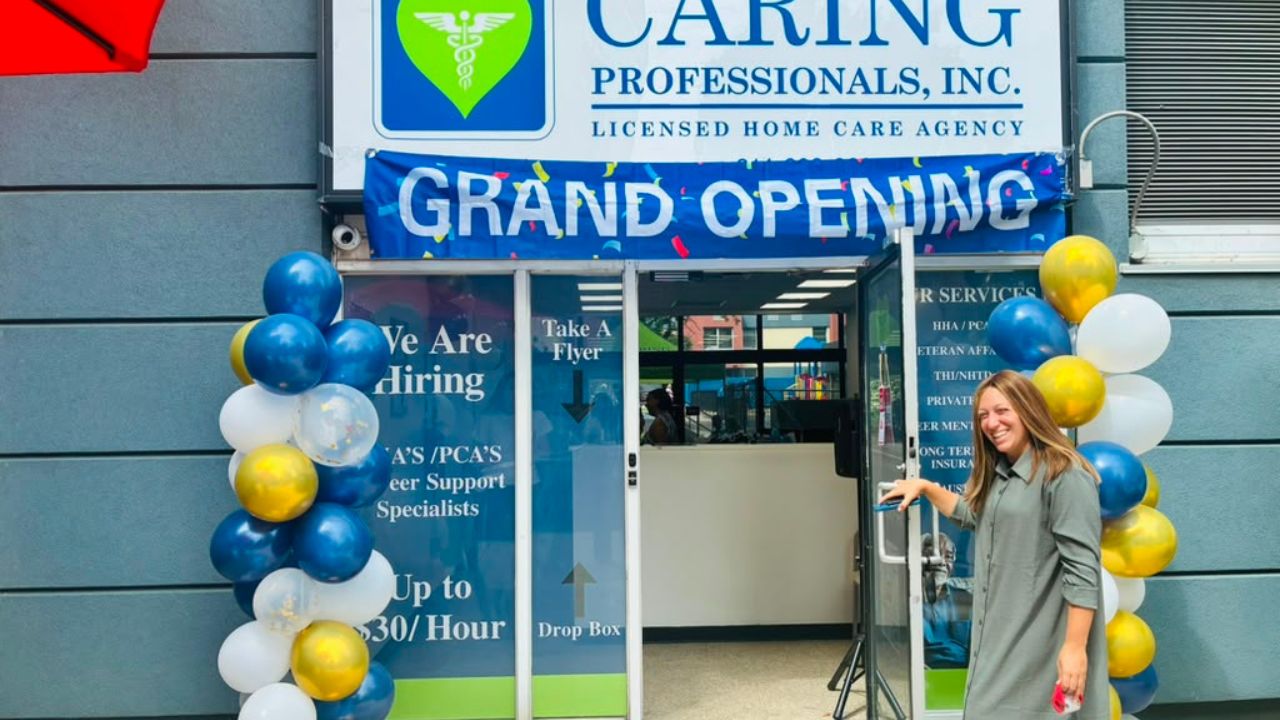
Not every New York family funding home care goes through Medicaid. Some have a long-term care insurance policy purchased years or even decades ago and are only now realizing it may cover home care. Others are self-funding entirely — choosing private pay for the speed, flexibility, and control it provides. Both paths lead to the same destination: professional home care in the home, on the family’s terms. This guide explains how both work in New York, what families need to know before they start, and how to avoid the most common mistakes along the way. For families on the Medicaid path, our guide to how Medicaid home care works in New York covers that process in full.
Long-Term Care Insurance — What It Actually Covers
The most common misconception about long-term care insurance is that it exists primarily to pay for nursing home care. In most cases that is not true. The majority of long-term care insurance policies written in the last two decades include explicit coverage for home care services — and for many policyholders, home care is the benefit they will use first and use longest.
Does long-term care insurance cover home care? For most policies, yes. Coverage typically includes personal care assistance, help with bathing, dressing, and grooming, meal preparation, medication reminders, mobility and transfer assistance, companionship, and dementia or Alzheimer’s support. Many policies also cover respite care — temporary relief for family caregivers who need a break. The specific services covered depend on the individual policy, which is why reviewing the actual policy document — rather than relying on memory of what was purchased years ago — is the essential first step.
New York families who discover an existing long-term care insurance policy often find they have been sitting on a resource they did not know they had. The policy may have been purchased by a parent who has since forgotten its details, or by a spouse who handled the paperwork independently. Locating the policy, contacting the insurer, and beginning the benefits verification process costs nothing and can significantly reduce the financial burden of care.
How Long-Term Care Insurance Approval Works in New York
Insurance companies approve long-term care benefits when a policyholder meets defined eligibility criteria. The most common pathway is the Activities of Daily Living threshold — most policies require that the individual be unable to independently perform two or more of six standard ADLs: bathing, dressing, eating, toileting, transferring, and managing continence. Some policies have a lower threshold; some require three. The policy document specifies the number.
A second pathway applies to cognitive impairment. Many policies approve benefits for individuals diagnosed with dementia or Alzheimer’s disease regardless of their ADL status, recognising that the safety and supervisory needs of someone with cognitive decline are as significant as the physical care needs of someone with mobility limitations.
The approval process itself typically involves reviewing the policy to confirm eligibility criteria, completing a health assessment conducted by the insurance company’s representative, providing supporting medical documentation if required, and receiving written confirmation of benefit eligibility. In New York, where home care agencies are licensed and regulated by the New York State Department of Health, working with a licensed LHCSA is often a requirement for benefit approval rather than simply a preference. Caring Professionals, as a licensed LHCSA with thirty years of experience in New York, is well positioned to support families through this process and to work directly with insurance companies where the policy permits.
Before care begins, it is always worth taking four practical steps: verify your benefits with the insurer directly and obtain a written confirmation; confirm which payment method — reimbursement or assignment of benefits — applies to your policy; clarify the waiting or elimination period so there are no surprises about when benefits begin; and review the coverage limits and documentation requirements the insurer will need from the agency. Taking these steps before the first aide arrives prevents the most common administrative delays and ensures the family has a clear financial picture from day one.
Understanding Your Policy — What Determines the Amount Approved
Long-term care insurance policies vary considerably in their benefit structures, and understanding the key variables in a specific policy is essential before beginning the claims process. The daily or monthly benefit limit determines the maximum the insurer will pay per day or month for covered services. The elimination period — sometimes called the waiting period — is the number of days the policyholder must receive qualifying care before benefits begin; this is typically 30, 60, or 90 days and is a cost the family bears directly. The length of coverage period defines how long benefits will be paid — two years, five years, or lifetime. And the maximum lifetime benefit caps the total amount the policy will pay across the entire period of care.
Every one of these variables interacts with the others, and the combination determines both what the policy will pay and for how long. A policy with a generous daily benefit but a short coverage period may be exhausted quickly for a client with significant ongoing needs. A policy with a long waiting period requires the family to fund the first weeks or months of care independently before the insurer begins paying. Understanding these details in advance allows families to plan rather than react. If the policy documentation is unclear or has been misplaced, contacting the insurance company directly with the policy number is the fastest way to obtain a current benefit summary.
How Long-Term Care Insurance Benefits Are Paid
One of the questions families ask most often is straightforward: who receives the payment — the family or the agency? The answer depends on the policy and how the claim is structured, but there are two common arrangements.
Under a reimbursement model, the home care agency provides care and invoices the client. The family pays the agency directly and then submits documentation to the insurer — typically care notes, invoices, proof of payment, and timesheets or service records — for reimbursement of eligible expenses. The insurer reviews the submission and pays the policyholder directly according to the policy’s coverage terms. This model is common and straightforward, though it requires the family to manage the paperwork and carry the upfront cost until reimbursement arrives.
Under an assignment of benefits arrangement, the insurer pays the home care agency directly. The agency submits billing to the insurance company, the insurer pays the approved amount to the agency, and the family is responsible only for any portion not covered by the policy. This option is administratively easier for families because it removes the need to pay upfront and wait for reimbursement. Not all insurers offer it and not all agencies are equipped to handle it — but Caring Professionals has experience billing long-term care insurance companies directly and can advise families on whether this option is available under their specific policy.
Whichever payment model applies, the documentation requirements are consistent: accurate care notes, dated invoices, and signed timesheets that correspond with the services billed. Caring Professionals handles this administrative work on behalf of families — maintaining the records the insurer requires and communicating with the insurance company throughout the claims process so families can focus on their loved one rather than the paperwork.
Private Pay Home Care in New York — Who It Is For
Private pay home care — sometimes called private duty home care — is home care funded directly by the family, without Medicaid or insurance involvement. In New York, it is the funding pathway of choice for families who either do not qualify for Medicaid, do not have a long-term care insurance policy, or who have made a deliberate decision to self-fund because of the control and flexibility it provides.
The families who choose private pay home care in New York often share a common characteristic: they need care quickly. The Medicaid and MLTC enrollment process in New York, while navigable, involves assessments, authorizations, and timelines that can stretch over weeks. Private pay removes all of that. Care can begin within days of a first conversation — sometimes the same week as a hospital discharge, sometimes sooner. For families managing an urgent situation, that speed is not a convenience. It is the whole point.
Private pay is also the route for families whose care needs fall outside what Medicaid authorizes. MLTC plans determine the number of home care hours a client receives based on an assessment of their needs. For families who want more hours, more flexibility, or a higher level of support than the authorized plan provides, private pay fills the gap — either as the sole funding source or alongside existing Medicaid coverage.
What Private Pay Home Care Looks Like in Practice
The practical experience of private pay home care in New York is one of considerably more control than the insurance-funded alternative. Families choose the schedule — from a few hours of daily support to around-the-clock live-in care, overnight coverage, weekend and holiday care, or any combination. There are no insurance-imposed limitations on hours, no prior authorization requirements, and no restrictions on the type of care the aide provides within the normal scope of the HHA or PCA role.
The matching process at Caring Professionals is identical whether a client is private pay or Medicaid-funded. Language, cultural background, personality, and the specific routines and preferences of the client all inform how an aide is selected. A Russian-speaking family in Brighton Beach, a Yiddish-speaking household in Borough Park, a Mandarin-speaking client in Flushing — the same multilingual, culturally competent matching standard applies regardless of how the care is funded. Private pay does not mean better care or worse care. It means care on the family’s terms, delivered to the same standard.
Care plans for private pay clients are designed to evolve. As needs change — after a hospital discharge, during a period of recovery, or as a long-term condition progresses — the schedule and level of support adjust with them. Families have a dedicated care coordinator, consistent communication, and the reassurance of knowing that 24-hour support is available when they need it.
The Financial Conversation
Private pay home care is a significant financial commitment, and Caring Professionals approaches that reality with transparency. Many New York families exploring private pay are also managing other costs — medical expenses, housing, and the accumulated financial pressure that comes with a parent’s declining health. We work with families to build a care arrangement that is genuinely supportive without being financially unsustainable, which sometimes means starting with fewer hours and building as the situation develops.
What private pay home care costs depends on the specific schedule, level of care, and care needs of the individual client. We do not publish a standard rate because no two situations are identical and we have no interest in quoting a number that does not reflect a family’s actual circumstances. For published figures and what drives them, see our guide to how much home care costs in New York. The right starting point is a conversation — one in which we understand what the family needs and can put together a care plan and an honest cost picture together. Reach out to us directly and we will make that conversation as straightforward as possible.
How Caring Professionals Handles Both in New York
Caring Professionals has been providing private pay and long-term care insurance-funded home care to New York families since 1994. Our experience across both funding types means we understand the documentation requirements of the major long-term care insurance carriers, the billing processes that make direct payment arrangements work, and the practical differences in how families experience each pathway.
Both pathways come with the same commitment to responsiveness. Caring Professionals offers 24/7 availability and around-the-clock support for clients and families — not an answering service, but genuine access to assistance whenever it is needed. Fast response times and proactive care coordination mean families are never left waiting when a situation changes or a question needs answering.
For families with long-term care insurance, we handle the administrative work — policy verification, claim paperwork, required documentation, and direct communication with the insurer where the policy permits. For private pay families, we move quickly, communicate clearly, and build care arrangements that are both flexible and financially considered. In both cases the standard of care is identical: multilingual, culturally matched, carefully supervised home health aides and personal care assistants serving families across Brooklyn, Queens, the Bronx, Manhattan, Westchester, Nassau County and Suffolk County.
If you are trying to work out which funding pathway applies to your family’s situation, or if you are ready to begin the conversation about care, reach Caring Professionals at (718) 333 1400 or through our contact page. We will help you understand your options clearly and move at the pace your situation requires.
More articles on New York Home Care from Caring Professionals:
- Choosing a Home Care Agency in New York: What to Look For
- What Does a Home Health Aide Do? A New York Family’s Guide
- How Medicaid Home Care Works in New York: A Family Guide
- When the Aide Becomes Part of the Family: Building Strong Relationships with Home Care Workers
- From Spare Change to Deep Connection Down Memory Lane
- Loneliness in Caregiving: Breaking the Silence and Finding Connection
- Senior Home Care in Brooklyn: A Guide for New York Families