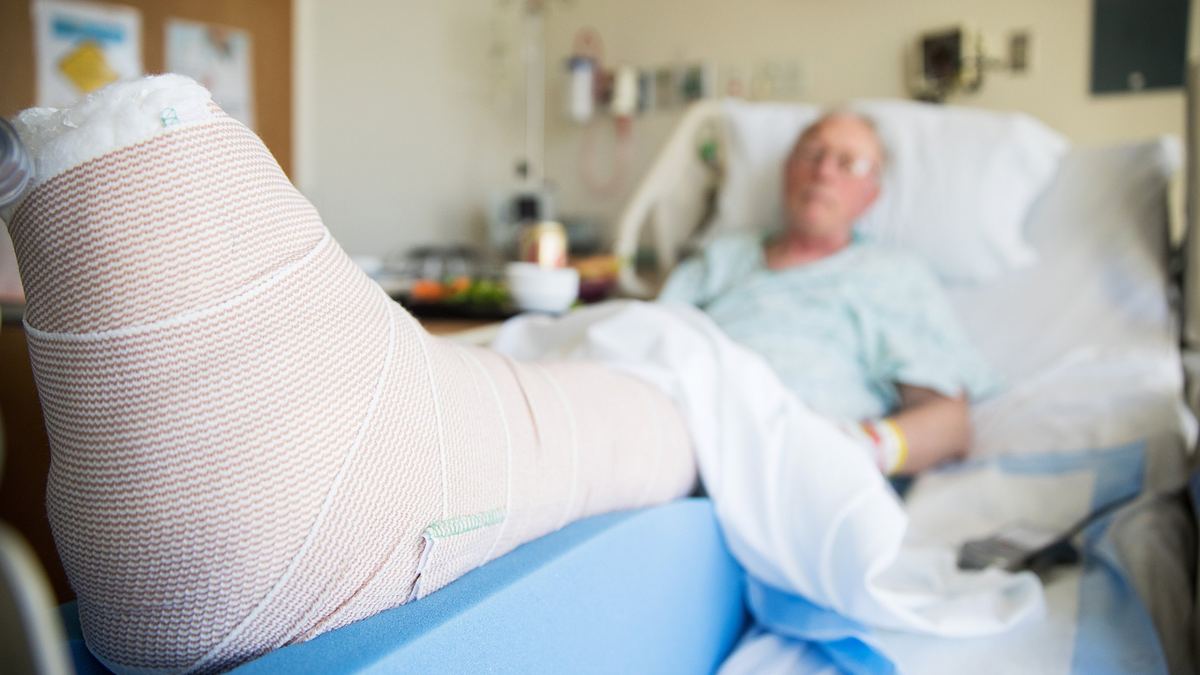
The surgery date is set, and the hospital will plan the medical side of recovery. What usually falls to the family is everything else: getting in and out of the shower safely, meals, the bathroom at 3 a.m., and someone there between therapy visits. Post-surgery home care is short-term help at home while a person recovers from an operation, from a few hours a day to round-the-clock support in the first nights.
Planning care after surgery? Talk to us.
Our team helps New York families arrange home care after an operation, from a few hours a day to overnight help, and check what Medicare, Medicaid, insurance or private pay will cover. Leave your details and we will call you back.
We use your details only to contact you about home care. We never sell your information. See our Privacy Policy.
This guide explains what post-surgery home care in New York includes, what Medicare and other coverage pays for, where the gaps usually are, and what to arrange before the surgery so that coming home goes smoothly.
What post-surgery home care in New York actually includes
Help after an operation comes in two kinds, and they are provided and paid for differently.
Skilled home health is medical care at home: a nurse checking the wound and vital signs, a physical or occupational therapist rebuilding strength and teaching safe movement. In New York it comes from a Medicare-certified home health agency, called a Certified Home Health Agency (CHHA), on a doctor’s orders.
Personal care is the hands-on daily help that makes recovery possible: bathing, dressing, toileting, meals, moving safely around the home, medication reminders and company. It is given by a home health aide through a Licensed Home Care Services Agency (LHCSA), such as Caring Professionals.
| Skilled home health | Personal care | |
|---|---|---|
| What it is | Nursing visits, physical, occupational and speech therapy | Bathing, dressing, toileting, meals, safe moving, reminders, company |
| Who provides it in New York | A Certified Home Health Agency (CHHA) | A home health aide from a Licensed Home Care Services Agency (LHCSA) |
| Who usually pays | Medicare, Medicaid or the health plan, when the person qualifies | Medicare only alongside skilled care; otherwise Medicaid, long-term care insurance or private pay |
Most families need both for a while. The nurse and therapist visit for an hour or so; the aide is there for the hours in between.
What Medicare covers after surgery in New York, and what it doesn’t
Medicare Part A and Part B cover home health care when all of these apply:
- You are homebound, meaning leaving home is difficult or not recommended because of your condition.
- You need part-time or intermittent skilled nursing care, or physical, occupational or speech therapy.
- A doctor or another allowed provider, such as a nurse practitioner, sees you in person, confirms you need home health care and orders it.
- A Medicare-certified home health agency provides the care.
You pay nothing for covered home health visits. For medical equipment such as a walker or a bedside commode, when it is medically necessary, you generally pay 20 percent of the Medicare-approved amount after the Part B deductible. Medicare does not require a hospital stay before home health care, which matters after outpatient and same-day surgery.
Medicare also covers a home health aide, but only while you are getting skilled nursing or therapy at the same time. In most cases, nursing and aide time together must total fewer than 8 hours a day and no more than 28 hours a week, with up to 35 hours a week for a short period if your provider decides it is needed.
Medicare does not pay for 24-hour care at home, meal delivery, homemaker services unrelated to your care plan, or personal care when that is the only help you need. If you have a Medicare Advantage plan, home health is covered, but check the plan’s network and any prior-approval rules before the surgery date.
Where the gaps are for New York families
In practice, the gaps show up in the same places. The first nights home are often the hardest, and Medicare’s aide hours rarely cover them. Showering safely, getting to the bathroom at night and preparing meals continue long after the nurse’s visits end. And Medicare home health stops when the skilled need ends, which can be before the person is steady on their feet, especially if they live alone or the family caregiver works.
Other coverage may help, depending on the situation:
- Medicaid. People already on New York Medicaid can receive home health and personal care services if an assessment shows they need them. Managed Long Term Care (MLTC) plans, however, are for people expected to need community-based long-term care for more than 120 days, so MLTC is usually not the route for a short recovery. Our guide to how Medicaid home care works in New York explains the options.
- Long-term care insurance. Many policies have a waiting period, called an elimination period, before benefits begin. A short recovery can end before the waiting period does, so check the policy before surgery. See Paying for Home Care in New York Without Medicaid.
- Private pay. Many families pay privately for a few days or weeks of help to cover the hours Medicare does not. Our home care cost guide for New York explains how agencies charge and what affects the cost.
How many hours of help after surgery? A New York planning guide
There is no single answer, and your surgeon and therapist are the best guide to what recovery will look like. These factors decide how much help makes sense:
- The surgery and the movement limits that follow. After a hip or knee replacement, for example, moving safely is the main concern. Bending, twisting or getting up from a low chair may be restricted for a time.
- The home. Stairs, a walk-up building, a narrow bathroom or a tub instead of a walk-in shower all raise the risk of a fall.
- Who else is there. Someone living alone needs more support than someone with a spouse at home all day, and a family caregiver who works needs cover during working hours.
- Nights. Needing help to reach the bathroom at night is one of the clearest signs that overnight care is needed in the first days.
- Medications. New pain medication can cause drowsiness and unsteadiness, especially early on.
A common pattern is more help at first, then less. Some families arrange overnight care for the first nights, longer daytime shifts in the first week or two, and then a few hours each morning for bathing, dressing and breakfast until the person is independent again. A good agency adjusts the schedule as recovery goes on.
What a home health aide does during recovery in New York
An aide’s job is to make each day of recovery safe and manageable, working within the instructions from the surgeon, nurse and therapist. Typical help includes:
- Bathing and dressing in line with any movement precautions
- Safe transfers in and out of bed, chairs and the shower
- Help with toileting, day and night
- Preparing meals and keeping the kitchen and bathroom safe and tidy
- Medication reminders
- Walking with the walker or cane as the therapist has taught
- Noticing warning signs, such as fever, changes at the wound, new pain or confusion, and reporting them promptly
- Company, which matters more than many people expect after an operation
Aides do not give injections, change medications or do wound care beyond what they are allowed to do; those tasks belong to the nurse. Our article on what home health aides can and can’t do in New York explains the limits in detail.
Before surgery: a New York family checklist
The best time to plan home care is before the operation, while there is time to compare options and ask questions.
- Ask the surgeon’s office about home health. Find out whether nursing or therapy at home is expected, and which agency will provide it.
- Name a caregiver at the hospital. Under New York’s CARE Act, a patient can name a family member or friend as their caregiver. The hospital must tell that person about the discharge and offer instruction in the care tasks they will be doing at home, such as helping with medications or moving safely.
- Prepare the home. Clear walkways and loose rugs, add a shower chair and a raised toilet seat, and set up a bed on the main floor if stairs will be a problem.
- Arrange help for the gaps. If family cannot cover the first nights or working hours, line up an agency in advance, so care can start the day the person comes home.
- Keep the paperwork together. Medication lists, discharge instructions and contact numbers should all be in one place. Our New York family guide to hospital discharge has a full discharge checklist.
Choosing short-term home care after surgery in New York
Short-term care after surgery has its own demands. When comparing agencies, look for:
- A New York license. The agency should be a Licensed Home Care Services Agency (LHCSA).
- Certified, supervised aides. Aides should hold New York home health aide certification and be supervised by a registered nurse.
- Flexibility. The agency should be able to start quickly, offer short shifts and overnight care, and reduce hours as recovery goes on.
- Coordination. The aide should work alongside the home health nurse and therapist, not separately from them.
- Language and fit. An aide who speaks the family’s language makes a stressful time easier.
Caring Professionals has supported New York families for more than 30 years, providing home health aides across the five boroughs, Long Island and Westchester. If someone in your family has surgery coming up, call our intake team at (718) 333-1400 or use the form on this page, and we will help you plan the hours that make sense.
Frequently asked questions about home care after surgery in New York
Does Medicare pay for a home health aide after surgery?
Yes, but only while you are also getting skilled nursing or therapy at home, you are homebound and a doctor has ordered the care. In most cases, aide and nursing time together must total fewer than 8 hours a day and no more than 28 hours a week. Medicare does not pay for an aide when personal care is the only help you need.
Do I need a hospital stay before Medicare covers home health care?
No. Medicare does not require a hospital stay before home health care. You must still be homebound, need skilled care and have the care ordered by a doctor or another allowed provider.
How long will I need help at home after surgery?
It depends on the operation, your health before surgery, your home and the support around you. Many people need the most help in the first days and weeks, then less as they regain strength. Your surgeon and therapist can tell you what to expect.
Can I get home care after outpatient or same-day surgery?
Yes. Medicare home health does not depend on an overnight hospital stay, and private home care can start the day you come home. Arrange it before the surgery if you can.
Can I hire an aide for just a few days or a few hours after surgery in New York?
Yes. Licensed home care agencies in New York provide short-term care, from a few hours a day to overnight or 24-hour care, and the schedule can change as recovery goes on. Ask about minimum shift lengths when you call.
More articles on New York Home Care from Caring Professionals:
- How Much Does Home Care Cost in New York? (2026 Guide)
- A New York Family’s Guide to Hospital Discharge and Home Care
- What to Expect from Your First Week of Home Care in New York
- Paying for Home Care in New York Without Medicaid
- What Home Health Aides Can and Can’t Do in New York
- Respite Care in New York: How Family Caregivers Get a Break, and Who Pays (2026)