Exploring the emotional, physical, and mental health effects of caregiver loneliness—and the growing interventions to counteract it.
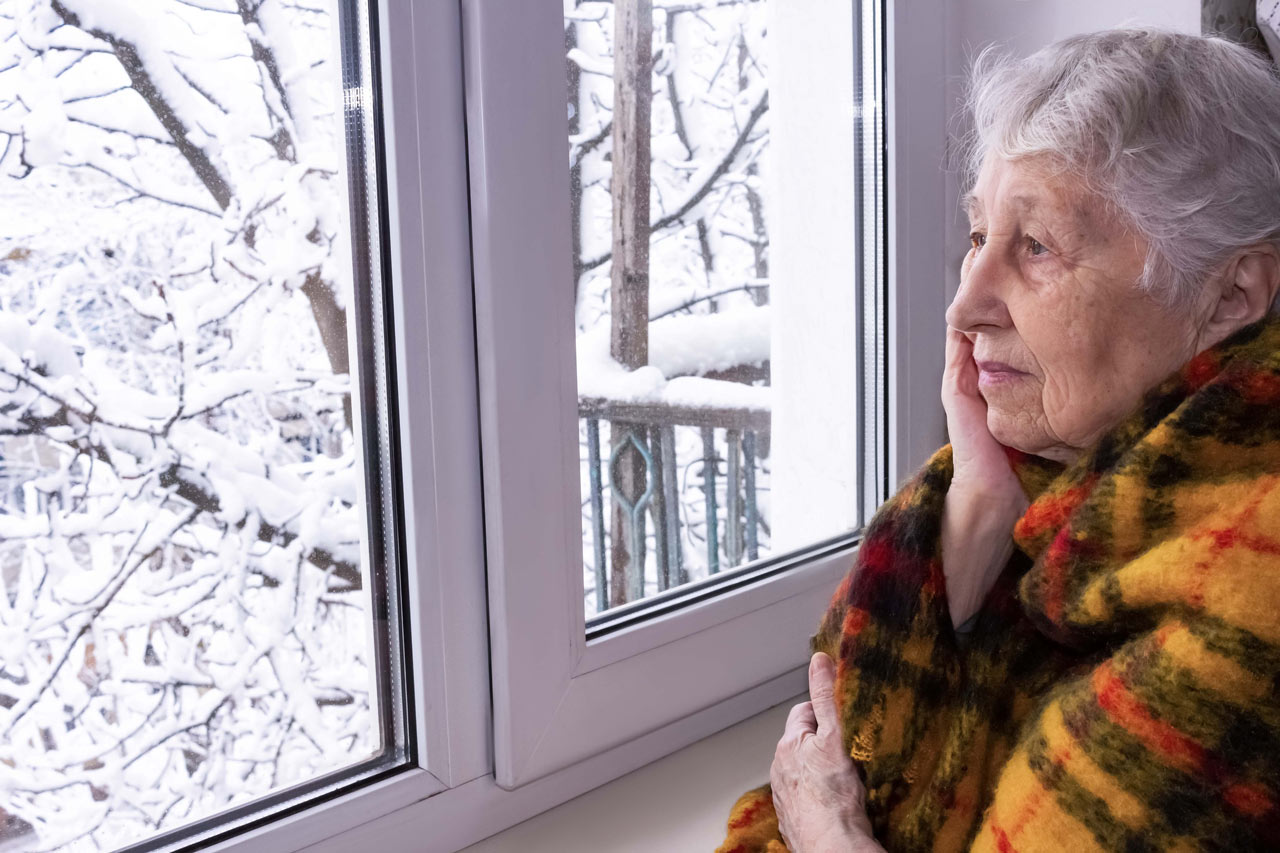
The epidemic of loneliness in the contemporary Western world is a major subject in media and health efforts. Nevertheless, the depth of loneliness of the adult caregiver is a long-recognized issue. Withdrawal from previous routines, lifestyles, activities, and social encounters often results from being responsible for a frail human being’s welfare. Reduced contact with others, be they family and friends, or community members is very isolating. The caregiver does not desire it. Thus, Loneliness is defined as the gap between preferred and actual social contact of the adult individual.
The Consequences of Caregiver Loneliness
There are negative consequences for health, mental health, and performance by lonely caregivers. Sleep disorders, fatigue, increased risk of obesity and diabetes, and depression have been reported as well as an intense sense of severity of the care burden.
Interventions to Combat Caregiver Isolation
Five main interventions to combat caregiver loneliness have been identified. They are not fully researched but are worth looking at as they are increasing in popularity as we recognize this aspect of caregiving. These interventions are mindful meditation, computer applications, therapy, peer support, and community programs.
The Importance of Peer Support
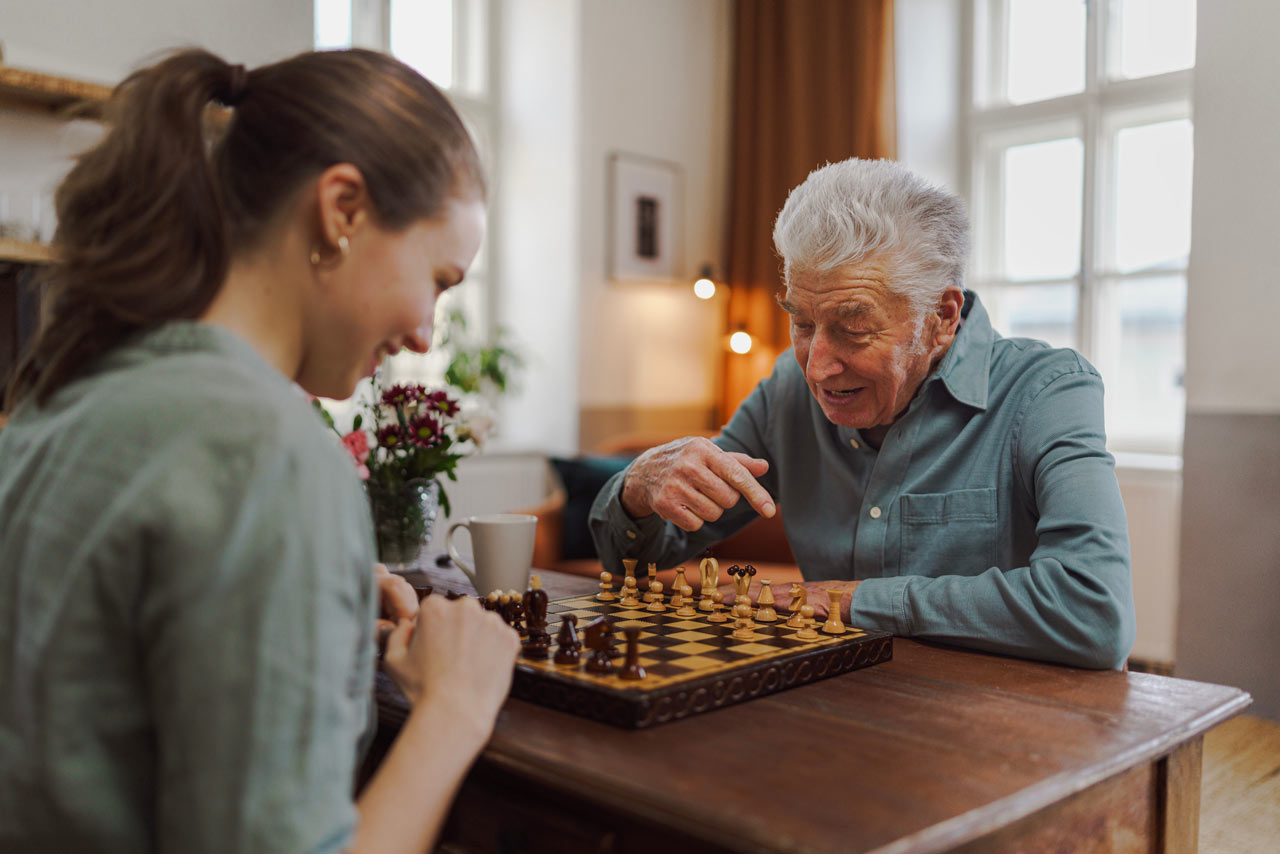
The most popular one utilized is peer support. Through zoom meetings, Facebook groups, and groups facilitated professionals that are offered by voluntary and professional organizations for caregivers, caregivers find community, tips, opportunities to share, and friendship. While it takes effort to participate, caregivers try to make the time to participate, knowing that their mood and ability to stay in this role are positively impacted by their participation.
Participating in these groups particular to caregivers helps, it is different from participating in the old circle of family, friends, neighbors, community, and work colleagues that one frequented before becoming a caregiver. Opportunities to rejoin the world abound but there is limited time and energy to do so. Thus, it is the caregiver-specific groups that attract their participation.
Finding Empowerment Through Caregiver Communities
The Daughterhood is an organization that offers community in circles, podcasts, and other venues for caregivers. They have found that empowerment results from these social connections and relationships. People learn to navigate the practical and emotional complexities of caregiving as well as to accept that their own judgment was good enough.
Several other strengths develop from these communities of caregivers, they have learned. Being part of the group helps to recognize the value of what they are doing. They are validated in their advocacy and assertiveness. They learn that it takes a village; the broader experiences of community members enrich and ground their decision-making. They find reassurance and support, laugh, and have fun together. Thus, loneliness and stress are countered by laughter and lightness.
Why Caregivers Must Reconnect with the World
Nonetheless, it is important that caregivers do get out of the circle of care and participate in the greater world of their previous life. Such initiatives are not only refreshing, but they are also good for mental and physical health. They are not extras; they are self-care. Without caregiver welfare, there is not enough effective caregiving.
Prioritising Social Engagement as Self-Care
In other words, get out. Counteract loneliness with social contact and other means. Prioritize social engagement for your and your care recipient’s long and short-term health.
Conclusion: Supporting Caregivers Beyond Loneliness
Caregiving is one of the most selfless roles, but the hidden weight of loneliness can make it overwhelming. Recognising the signs of caregiver isolation and taking steps to restore social connection is essential for both caregiver wellbeing and the quality of care provided. From peer support groups to mindful practices and community programmes, there are proven ways to rebuild resilience and find empowerment.
Caregivers must remember that self-care is not selfish—it is a foundation for effective caregiving. By making time for social engagement, whether through caregiver circles or reconnecting with old networks, loneliness can be transformed into strength, connection, and joy.
Some more caregiver news and advice from Caring Professionals Home Care Agency
- Understanding your Cranky Smart Old Dad
- Gift-Giving Made Easy: A Caregiver’s Guide to Helping Grandma
- Kitchen Remodeling for Safe Aging in Place
- How to Assess a Home for Senior Safety: Age in Place Part 1
- How to have Hopeful Holidays with your Senior
- It’s not you it’s Modern Life!
- How Tech can Help your Caregiving in 2024
- Creativity and Caregiving
- What do I need to know about Guardianship for a Senior?
- The Afternoon of Human Life
- Do’s and Don’ts for Conversing with a Dementia Patient